 English
 简体中文
简体中文 русский
 عربى
عربى français
 Español
 日本語
日本語 한국어
한국어 Italian
 Deutsche
 português
 Türk
Türk हिंदी
हिंदी Persian
 Polskie
 Tiếng Việt
 Indonesian
 Filipino
 Urdu
Urdu Bengali
 Український
 Swahili
 Kazakh
 Uzbek
Uzbek

Beyond the Barcode: How RFID Solutions are Quietly Reshaping Our Daily Lives
From Seamless Shopping to Smarter Cities: The Invisible Revolution of RFID
Forget fumbling for loyalty cards or waiting in long checkout lines. Imagine walking out of a grocery store, your purchases automatically tallied and charged as you pass through a gateway. This isn’t science fiction; it’s the promise of Radio-Frequency Identification (RFID) technology, a system solution weaving itself into the very fabric of modern life, moving far beyond its traditional role in warehouse inventory.
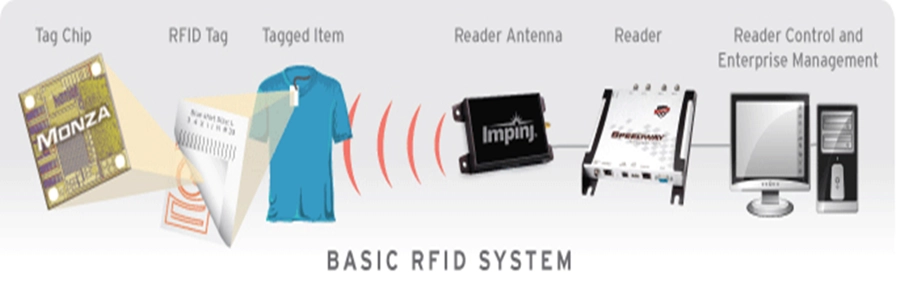
At its core, RFID uses tiny, wireless chips or "tags" that store data and can be read remotely by scanners without direct line-of-sight. Unlike a standard barcode, each tag carries a unique identifier. This simple principle is now enabling sophisticated solutions across diverse sectors.
The most palpable impact for many is in retail. Major brands are deploying RFID for real-time, hyper-accurate inventory tracking. This means fewer stockouts, efficient restocking, and the potential for self-checkout systems where a whole cart is scanned instantly. For consumers, it translates to better product availability and a frictionless shopping experience.
But the application extends beyond the store. In healthcare, RFID wristbands ensure correct patient identification, track medical equipment, and monitor medicine cabinets, drastically reducing errors and saving critical time. The logistics and supply chain industry has been transformed, with RFID providing end-to-end visibility of goods from manufacturer to shelf, combating counterfeiting and optimizing delivery routes.
On a personal scale, contactless access cards for offices, electronic toll collection systems on highways, and even modern passports are powered by RFID. Our homes are next: integrated RFID solutions can manage smart appliances, track important items like keys, and enhance security systems.
Looking forward, RFID is a cornerstone of the Internet of Things (IoT) and smart city infrastructure. It enables the monitoring of public assets, efficient waste management via tagged bins, and intelligent library systems. In manufacturing, it facilitates the track-and-trace of components for quality control and automated production lines.
"This isn't just about replacing the barcode," says Dr. Anna Reid, a technology integration analyst. "RFID provides a foundational layer of digital identity for physical objects. The data it generates is fuel for AI and analytics, creating smarter, more responsive systems in everything from retail to urban planning."
While concerns about data privacy and security are part of the ongoing conversation, the benefits of efficiency, transparency, and automation are driving widespread adoption. The RFID system solution is no longer a niche industrial tool; it is an invisible yet powerful force, quietly orchestrating a more connected and intelligent world, one seamless interaction at a time.