 English
 简体中文
简体中文 русский
 عربى
عربى français
 Español
 日本語
日本語 한국어
한국어 Italian
 Deutsche
 português
 Türk
Türk हिंदी
हिंदी Persian
 Polskie
 Tiếng Việt
 Indonesian
 Filipino
 Urdu
Urdu Bengali
 Український
 Swahili
 Kazakh
 Uzbek
Uzbek

Beyond the Tag: A Look Inside the Complete Architecture of Modern RFID Systems
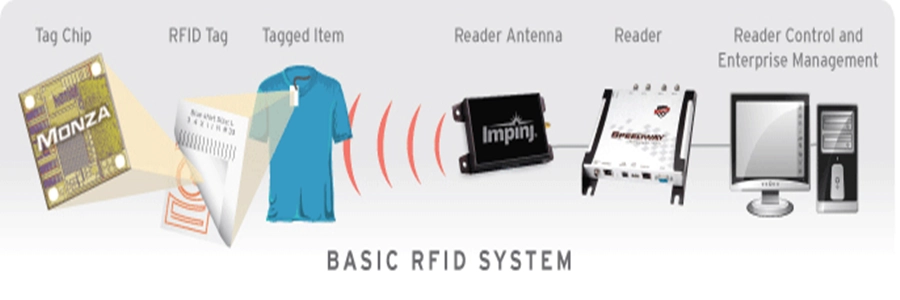
While an RFID tag may be the most visible component, a fully functional Radio-Frequency Identification (RFID) system is a sophisticated ecosystem of integrated hardware and software. So, what exactly are RFID systems composed of? Industry experts break down the critical layers that enable this transformative technology to track assets, manage inventory, and power the Internet of Things (IoT).
At its core, every RFID system consists of three fundamental components: tags, readers, and a backend system. The tags, equipped with a microchip and antenna, store and transmit data. Readers, either fixed or handheld, emit radio waves to communicate with tags, capturing their unique identification and any stored information. The true power, however, lies in the third pillar: the backend system. This includes middleware—software that filters and manages the flood of data from readers—and an enterprise application (like an Inventory Management or Asset Tracking system) where the data is analyzed and turned into actionable insights.
"The common misconception is that RFID is just about slapping a tag on an item," says Dr. Elena Reed, a supply chain automation specialist. "In reality, its value is unlocked by the seamless integration of reliable hardware with intelligent software. The system must be carefully designed to suit the specific operational environment, whether it's managing high-speed retail logistics or tracking sensitive pharmaceuticals in a hospital."
Modern deployments often integrate additional elements. These include reader antennas that shape the interrogation zone, sophisticated edge computing devices to pre-process data locally, and secure cloud platforms for centralized data storage and analytics. The architecture is increasingly moving towards turnkey solutions that offer interoperability, robust security protocols, and deep integration with existing ERP and WMS platforms.
From retail and warehousing to healthcare and manufacturing, understanding this complete architecture is key to successful implementation. As RFID continues to evolve, converging with AI and sensor technologies, its systems are becoming not just tools for identification, but foundational platforms for real-time, intelligent decision-making across industries.