 English
 简体中文
简体中文 русский
 عربى
عربى français
 Español
 日本語
日本語 한국어
한국어 Italian
 Deutsche
 português
 Türk
Türk हिंदी
हिंदी Persian
 Polskie
 Tiếng Việt
 Indonesian
 Filipino
 Urdu
Urdu Bengali
 Український
 Swahili
 Kazakh
 Uzbek
Uzbek

Beyond the Tap: How Near Field Communication is Powering Our Connected World
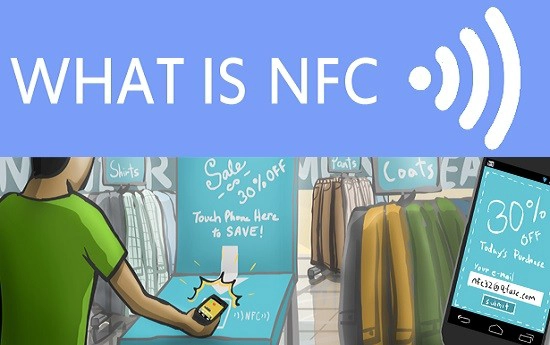
LONDON – If you’ve ever used your smartphone to make a contactless payment, tapped your transit card to ride the subway, or paired Bluetooth headphones with a simple tap, you’ve experienced the magic of Near Field Communication, or NFC. This ubiquitous but often invisible technology is quietly revolutionizing the way we interact with the world around us, moving far beyond simple payments into a vast ecosystem of connectivity.
What Exactly is NFC?
At its core, Near Field Communication is a short-range, wireless technology that allows two devices to communicate when they are placed within a few centimeters of each other. It is an evolution of radio-frequency identification (RFID) that enables two-way interaction, unlike RFID’s typically one-way communication.
"NFC is deceptively simple," explains Dr. Evelyn Reed, a technology analyst at FutureTech Insights. "It creates a seamless bridge between the physical and digital worlds. You perform a simple physical action—a tap—and it triggers a complex digital transaction, whether it's sharing a photo, launching a website, or verifying your identity."
The technology operates in two main modes:
-
Active/Passive (Reader/Writer): Where an active device, like a smartphone, reads information from a passive NFC tag. These inexpensive tags can be embedded in posters, product packaging, or museum exhibits to provide additional information.
-
Peer-to-Peer: Where two active devices, like two smartphones, exchange data such as contacts, photos, or files directly.
The Expansive Universe of NFC Applications
While contactless payments via Apple Pay, Google Pay, and Samsung Pay are the most recognized use case, NFC’s potential is rapidly expanding across industries:
-
Smart Access and Security: Modern office buildings and hotels are ditching physical keycards for digital keys stored on smartphones. Car manufacturers are implementing NFC for keyless entry and even starting the ignition with a tap.
-
Healthcare: Patient wristbands embedded with NFC tags ensure accurate identification and provide medical staff instant access to critical health records, reducing errors and improving care.
-
Supply Chain and Retail: NFC tags on products are used for anti-counterfeiting measures. A simple tap with a phone can verify a product's authenticity and provide a detailed history of its journey through the supply chain.
-
The Internet of Things (IoT): NFC is the simplest way to pair IoT devices. Tapping a phone to a smart speaker, thermostat, or light bulb instantly configures it onto a Wi-Fi network, eliminating complex setup processes.
-
Digital Business Cards: Professionals are using NFC-powered cards and chips to share contact information instantly, directing new connections to their LinkedIn profile or portfolio with a single tap.
The Future is a Tap Away
As we move towards a more integrated digital future, NFC is poised to become even more deeply embedded in our daily routines. The next frontier includes applications in smart cities for public transport and access, and further innovations in identity verification, potentially replacing passports and driver's licenses with secure digital versions on our phones.