 English
 简体中文
简体中文 русский
 عربى
عربى français
 Español
 日本語
日本語 한국어
한국어 Italian
 Deutsche
 português
 Türk
Türk हिंदी
हिंदी Persian
 Polskie
 Tiếng Việt
 Indonesian
 Filipino
 Urdu
Urdu Bengali
 Український
 Swahili
 Kazakh
 Uzbek
Uzbek

Contactless Smart Cards: Unlocking the Future of Secure, Tap-and-Go Technology
In an increasingly digital and fast-paced world, the humble card in your wallet is getting a major upgrade. The contactless smart card, a sleek piece of technology that enables secure transactions with a simple tap, is rapidly becoming the standard for payment, access, and identification across the globe.
But what exactly is a contactless smart card?
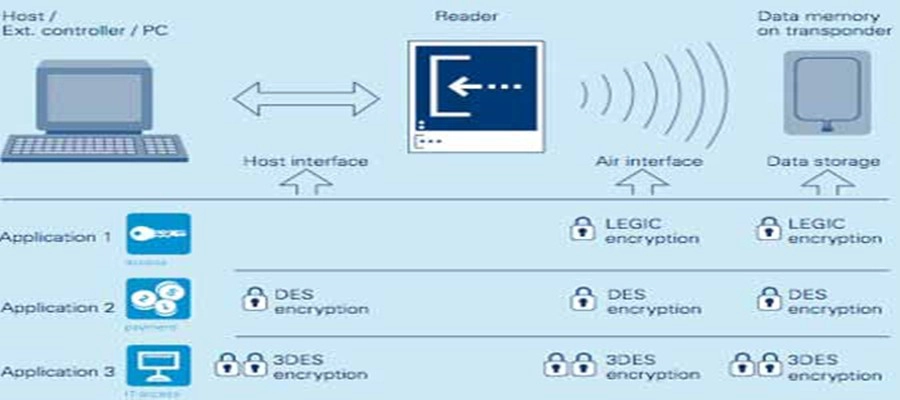
At its core, it is a type of smart card that uses Radio-Frequency Identification (RFID) or Near Field Communication (NFC) technology to communicate with a reader without the need for physical contact. Embedded within the card is a small microchip and an antenna. When the card is brought within a few centimeters of a compatible reader, the reader's electromagnetic field powers the chip, enabling it to transmit data securely.
This "tap-and-go" functionality is revolutionizing daily routines.
"The shift to contactless technology is driven by a powerful combination of convenience and enhanced security," says Dr. Emily Thorne, a technology analyst at FutureTech Insights. "Consumers no longer need to fumble for cash or swipe a magnetic stripe. A single tap is not only faster but also significantly more secure."
The most common application familiar to millions is in payment systems. Credit and debit cards with contactless capabilities allow for swift checkout at retail stores, supermarkets, and public transport terminals. Beyond payments, these cards are widely used as access control badges for corporate offices and secure buildings, as electronic IDs and passports, and even as transit passes in major cities.
Security is a paramount feature. Unlike traditional magnetic stripe cards, which hold static data that can be easily copied, contactless smart cards use dynamic encryption. For each transaction, a unique, one-time code is generated, making the data useless to potential interceptors. Furthermore, the very short operational range prevents unauthorized skimming.
As the Internet of Things (IoT) and smart city initiatives expand, the role of the contactless smart card is set to grow even further. Industry experts predict its integration into more aspects of daily life, from storing digital medical records to serving as a multi-purpose credential for a wide range of services.
The era of the contactless smart card is not just on the horizon—it is already here, offering a faster, safer, and more efficient way to navigate the modern world, one tap at a time.