 English
 简体中文
简体中文 русский
 عربى
عربى français
 Español
 日本語
日本語 한국어
한국어 Italian
 Deutsche
 português
 Türk
Türk हिंदी
हिंदी Persian
 Polskie
 Tiếng Việt
 Indonesian
 Filipino
 Urdu
Urdu Bengali
 Український
 Swahili
 Kazakh
 Uzbek
Uzbek

Demystifying the Universal RFID Key Process: The Quest for a Master Digital Access System
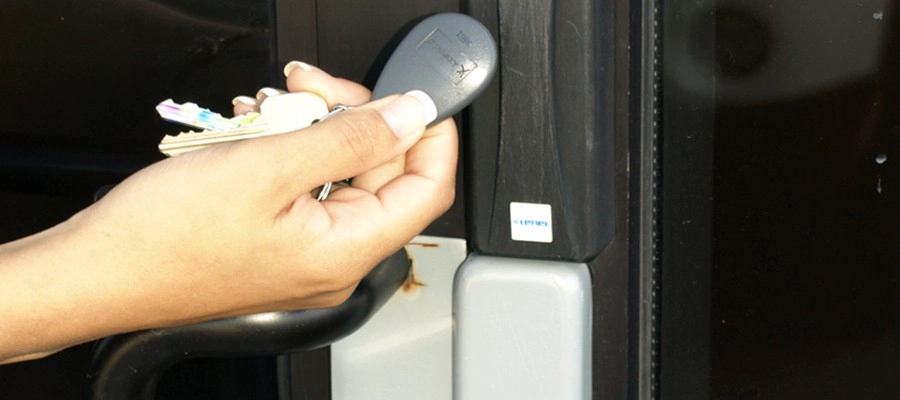
[City, Date] - In an increasingly interconnected world, the proliferation of RFID (Radio-Frequency Identification) technology for access control, payments, and inventory management has led to a pressing question in security and logistics circles: What is the Universal RFID Key Process? This concept, often discussed as a potential pinnacle of convenience and a significant security risk, refers to a theoretical or proprietary process that could emulate or generate the credentials to access a wide range of RFID-based systems.
Unlike a single physical key that opens many doors, the Universal RFID Key is not a single device but rather a sophisticated process. It involves a combination of hardware and software capable of reading, analyzing, and replicating or simulating the signals from various RFID cards and fobs. The core of this process lies in its ability to bypass the unique identifiers and encryption protocols that are supposed to make each RFID credential secure.
How the Process Allegedly Works
Security experts break down the hypothetical Universal RFID Key process into several stages:
-
Signal Interception and Cloning: A device is used to wirelessly read the data from a target RFID card. For lower-frequency, unencrypted cards (like many older hotel key cards or basic access fobs), this data can be copied directly onto a blank, writable card, creating a perfect clone.
-
Protocol Emulation: For more advanced systems, a specialized device, such as a programmable RFID reader-writer or even a modified smartphone, can emulate the behavior of different types of RFID cards. This doesn't just copy data; it mimics the entire communication protocol.
-
Encryption Cracking: The most advanced and controversial aspect involves processes designed to crack the encryption on high-security RFID systems, such as those used in modern corporate badges or payment cards. This often requires significant computational power and exploits potential vulnerabilities in the cryptographic algorithms.
A Double-Edged Sword: Applications and Implications
The concept of a universal process is a double-edged sword, sparking debate among professionals.
On one hand, it has legitimate and critical applications. Penetration testers and security auditors use these techniques to identify weaknesses in a company's physical security, demonstrating how an attacker could gain unauthorized access. Locksmiths and facility managers also utilize advanced key programming systems that can be seen as a form of "universal key" for the specific systems they manage, allowing them to issue replacements and manage access rights efficiently.
On the other hand, the same process in the wrong hands poses a severe threat. Malicious actors could use portable cloning devices to stealthily copy access credentials in public spaces, gain entry to secure facilities, or clone payment information.
The Industry Response
In response to the threat posed by cloning and emulation, the security industry is not standing still. There is a major push towards more secure technologies.
"The idea of a single key opening everything is a security nightmare. That's why the industry is rapidly moving away from static credentials," says Dr. Elena Reed, a cybersecurity researcher. "The future lies in multi-factor authentication and dynamic credentials. Systems now increasingly use technologies like MIFARE DESFire, which employ strong, rolling encryption codes that change with every tap, making them virtually impossible to clone. Furthermore, we are seeing the integration of biometrics with RFID, creating a layered defense."
The Bottom Line
While the perfect, all-encompassing "Universal RFID Key" that can open any system remains largely in the realm of theory and specific, targeted attacks, the processes that inspire the term are very real. They represent an ongoing arms race between security developers and those who seek to bypass their protections. For organizations and individuals, the lesson is clear: reliance on outdated, low-frequency RFID technology is a significant vulnerability. The path forward involves adopting modern, encrypted systems and understanding that in the digital age, the security of a "key" is only as strong as the technology behind it.