 English
 简体中文
简体中文 русский
 عربى
عربى français
 Español
 日本語
日本語 한국어
한국어 Italian
 Deutsche
 português
 Türk
Türk हिंदी
हिंदी Persian
 Polskie
 Tiếng Việt
 Indonesian
 Filipino
 Urdu
Urdu Bengali
 Український
 Swahili
 Kazakh
 Uzbek
Uzbek

Plastic Smart Cards: The Unsung Engines of Modern Life
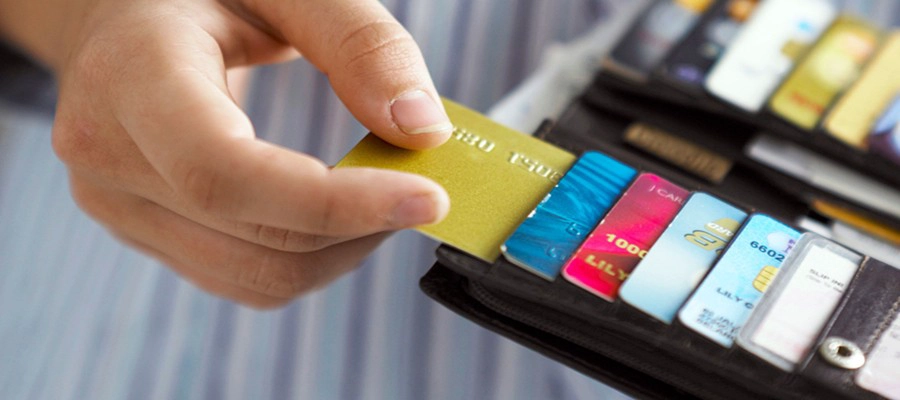
From securing office buildings to facilitating seamless transit and enabling digital identification, the humble plastic smart card has evolved far beyond its original financial function. Today, these pocket-sized pieces of technology are integral to the infrastructure of security, commerce, and daily operations worldwide.
At its core, a smart card embeds a microprocessor or memory chip within a standard-sized plastic card. This powerful addition transforms passive plastic into a dynamic tool for authentication, data storage, and secure processing. The primary functions driving their ubiquity are:
1. Enhanced Security & smart card &Access Control: Replacing traditional keys and passwords, smart cards provide robust physical and logical security. They are the standard for employee access to corporate buildings, secure data centers, and hotel rooms. The chip allows for encrypted authentication, biometric data storage (like fingerprints), and multi-factor verification, dramatically reducing the risk of unauthorized entry.
2. Secure Financial Transactions: As EMV (Europay, Mastercard, Visa) chip cards, they have revolutionized payment security. The embedded microchip creates a unique transaction code for every purchase, making data theft and counterfeit fraud vastly more difficult compared to magnetic stripes. This function forms the backbone of modern debit and credit card systems.
3. Efficient Daily Operations: Smart cards streamline countless processes. In corporate settings, they often serve as all-in-one IDs for building access, network logon, and print management. In universities, student cards handle library loans, meal plans, and campus facility access. This consolidation enhances convenience and operational efficiency.
4. Public Sector & Mobility Integration: Governments deploy smart card technology in national ID cards, driver’s licenses, and healthcare cards, securing citizens' data and streamlining service delivery. Furthermore, contactless smart cards are the engine behind public transit systems globally, enabling the fast, reliable tap-and-go fare collection that keeps cities moving.
5. Data Portability & Loyalty: Beyond access and payment, these cards securely carry personal data, medical records, or customer loyalty points. This allows individuals to control and physically transport their critical information between systems securely.
"The shift from single-use cards to multifunctional smart platforms is a key trend," notes a technology analyst at Frost & Sullivan. "We are moving towards a reality where one secure card authenticates your identity, pays for your commute, unlocks your workplace, and stores your medical prescriptions. The plastic card is, in fact, a sophisticated portable security device."
As the world becomes increasingly digital and interconnected, the functions of the plastic smart card continue to expand. Its proven security, versatility, and user familiarity ensure it will remain a critical physical token in our digital lives for the foreseeable future, seamlessly bridging the gap between the tangible and virtual worlds.