 English
 简体中文
简体中文 русский
 عربى
عربى français
 Español
 日本語
日本語 한국어
한국어 Italian
 Deutsche
 português
 Türk
Türk हिंदी
हिंदी Persian
 Polskie
 Tiếng Việt
 Indonesian
 Filipino
 Urdu
Urdu Bengali
 Український
 Swahili
 Kazakh
 Uzbek
Uzbek

The End of the Ticket? How RFID Wristbands Are Revolutionizing Live Events
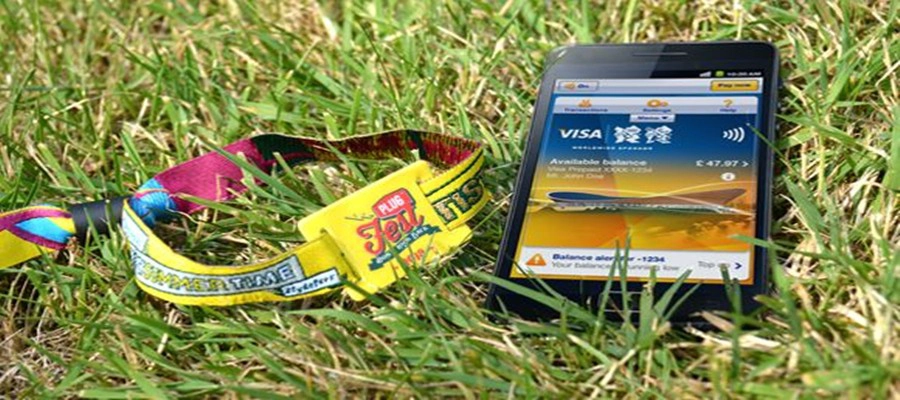
In an era where convenience and security are paramount, the humble concert ticket is facing an unexpected rival: the RFID wristband. These sleek, wearable devices, embedded with Radio-Frequency Identification technology, are rapidly transforming how attendees experience live events—from music festivals to sports games. But does this innovation spell the end for traditional paper tickets?
RFID wristbands work by storing unique digital identifiers that can be scanned wirelessly. Attendees simply tap their wrists at entry points, concession stands, or merchandise booths to gain access or make purchases. For event organizers, the benefits are clear: reduced wait times, enhanced security, and valuable data insights into attendee behavior. Meanwhile, fans enjoy a seamless, hands-free experience without the fear of losing paper tickets.
The shift is already underway. Major festivals like Coachella and Lollapalooza have adopted RFID wristbands, leveraging them not just for entry but also to create personalized experiences. For instance, wristbands can link to social media accounts, enable cashless payments, and even track a user’s location to suggest nearby activities.
Yet, the rise of RFID technology raises questions about privacy and accessibility. Critics worry about data collection and surveillance, while others argue that not all attendees may be comfortable with—or able to use—digital alternatives. Still, the industry seems poised for change. As one event planner noted, “RFID wristbands aren’t just a tool; they’re the future of live events.”
While paper tickets may not disappear entirely, their dominance is undoubtedly waning. In the battle between tradition and innovation, RFID wristbands are proving that the future of event access is wearable, wireless, and wonderfully efficient.