 English
 简体中文
简体中文 русский
 عربى
عربى français
 Español
 日本語
日本語 한국어
한국어 Italian
 Deutsche
 português
 Türk
Türk हिंदी
हिंदी Persian
 Polskie
 Tiếng Việt
 Indonesian
 Filipino
 Urdu
Urdu Bengali
 Український
 Swahili
 Kazakh
 Uzbek
Uzbek

Revolutionizing Corrections: The Rise of RFID Wristband Locator Systems in Modern Prisons
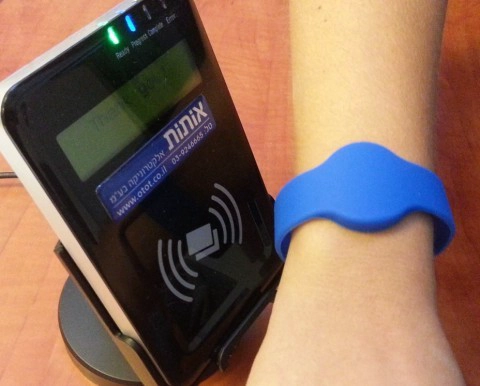
GENEVA, Ill. – In a significant leap forward for prison management and public safety, correctional facilities across the nation are increasingly adopting advanced Radio-Frequency Identification (RFID) wristband systems to monitor inmate location and movement in real-time. This technology is fundamentally changing the landscape of institutional security, shifting from reactive measures to proactive, intelligence-led management.
The core function of the Prison RFID RFID wristband locator system is to provide continuous, automated tracking of every individual wearing a tamper-resistant wristband within a facility. These wristbands emit a unique radio signal, which is picked up by a network of strategically placed readers throughout the prison. The system then pinpoints the location of each inmate on a digital map of the facility, available to corrections officers in real-time on centralized monitors and mobile devices.
The implications of this constant visibility are profound. "This technology is a game-changer for officer safety and institutional control," stated Warden John Miller of the Stateville Penitentiary, an early adopter of the system. "Before, we had periodic headcounts and camera surveillance, which had gaps. Now, we know the precise location of every inmate at all times. It allows us to deploy our staff more efficiently and respond to incidents with unprecedented speed."
The benefits of the RFID locator system extend far beyond simple tracking:
-
Enhanced Officer and Inmate Safety: The system can instantly alert staff to unauthorized movements, such as an inmate entering a restricted area or a gathering of individuals in a location that could signal a potential conflict. In the event of an assault, an officer can trigger a "man-down" alarm from their own RFID-enabled badge, summoning immediate assistance to their exact location.
-
Automated Headcounts and Efficiency: The tedious and time-consuming process of manual headcounts is eliminated. The system can perform an accurate count of all inmates in a specific zone or the entire facility in seconds, freeing up officers for more critical tasks.
-
Investigative Power: The system maintains a comprehensive log of historical movement data. In the aftermath of an incident, investigators can replay the movements of involved individuals, providing invaluable digital evidence and reconstructing timelines with precision.
-
Contraband Monitoring: By tracking unusual movement patterns, such as individuals lingering near perimeter fences or in supply closets, the system can help identify potential areas of contraband exchange.
While the technology raises some questions about privacy, courts have consistently upheld the right of correctional institutions to implement security measures that outweigh an inmate's diminished expectation of privacy within a prison environment.
As the technology continues to evolve, integrating with other systems like video analytics and access control, the modern prison is becoming a hub of smart data. The primary function of the RFID wristband locator system—to know where everyone is, at all times—is proving to be a cornerstone in the ongoing mission to create safer, more secure, and more efficiently managed correctional facilities.