 English
 简体中文
简体中文 русский
 عربى
عربى français
 Español
 日本語
日本語 한국어
한국어 Italian
 Deutsche
 português
 Türk
Türk हिंदी
हिंदी Persian
 Polskie
 Tiếng Việt
 Indonesian
 Filipino
 Urdu
Urdu Bengali
 Український
 Swahili
 Kazakh
 Uzbek
Uzbek

The Invisible Shield: Unpacking the Robust Security of Contactless Smart Cards
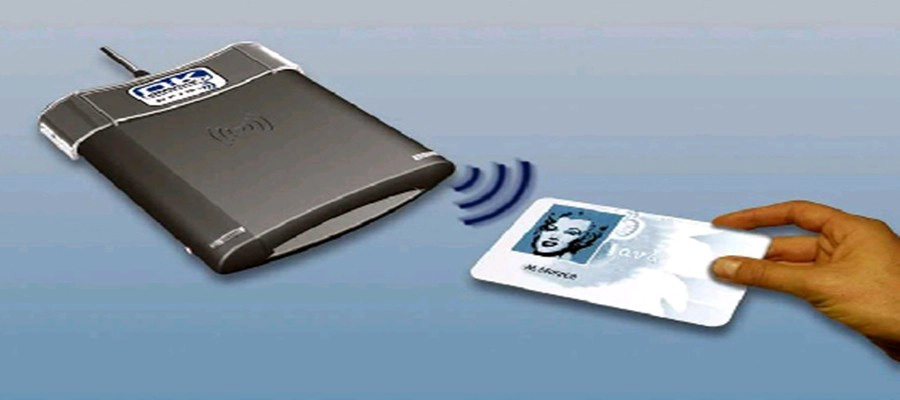
Subtitle: From payment terminals to secure access, advanced encryption and dynamic protocols are making tap-and-go technology safer than ever.
LONDON, UK – As contactless technology becomes ubiquitous in our daily lives—from tapping a payment card to accessing an office building—questions about its security are more relevant than ever. However, experts assert that the underlying security capabilities of modern contactless smart cards are formidably robust, employing a multi-layered defense system that is often invisible to the end-user.
The core of this security lies in the chip embedded within the card. Unlike simple magnetic stripes, which contain static, easily copied data, a contactless smart card is essentially a miniature, encrypted computer.
"People see a simple 'tap' and equate it with simplicity, but that's a misconception," explains Dr. Anya Sharma, a cybersecurity professor at the University of London. "Each transaction is a complex cryptographic conversation between the card's chip and the terminal. The data transmitted is dynamic, meaning it changes with every single use. Even if a hacker intercepted the signal, the data would be useless for a future transaction."
This dynamic data is a cornerstone of the technology's security. Key features include:
-
Encrypted Communication: All data exchanged between the card and reader is encrypted, making it unintelligible to eavesdropping devices.
-
Mutual Authentication: Before any transaction occurs, the card and the terminal verify each other's legitimacy, ensuring they are both authorized participants.
-
Tokenization: For payment applications, the card's actual Primary Account Number (PAN) is never transmitted. Instead, a unique, one-time "token" is generated, protecting sensitive financial details.
-
Short-Range Operation: Contactless cards are designed to operate only at very close range (typically less than 10 cm), mitigating the risk of unauthorized remote scanning.
The industry is also proactively addressing potential vulnerabilities. The emergence of RFID-blocking wallets, which sparked consumer concern, has been met with advancements in technology itself. Modern cards often incorporate protocols that require the user to be actively engaging with a terminal, such as being prompted for a PIN after a certain number of consecutive transactions or for amounts above a set limit.
"Security is a race, and the standards governing contactless technology, like EMV®, are continuously evolving," says Mark Reynolds, a security consultant for a major financial institution. "We're now seeing the widespread adoption of biometric payment cards, which combine the convenience of contactless tap with the unique security of a fingerprint. This adds a powerful layer of user verification that is incredibly difficult to compromise."
While no system can be declared 100% invulnerable, the consensus among security professionals is that the built-in protections of contactless smart cards make them a highly secure technology. The combination of advanced cryptography, dynamic data, and industry-wide standards provides a strong defense against fraud, allowing consumers and businesses to leverage the convenience of 'tap-and-go' with confidence.
"The security is not in the flashy gesture, but in the silent, complex algorithms working within the chip," concludes Dr. Sharma. "It's a case of technology being so sophisticated that its greatest strength is appearing simple."