 English
 简体中文
简体中文 русский
 عربى
عربى français
 Español
 日本語
日本語 한국어
한국어 Italian
 Deutsche
 português
 Türk
Türk हिंदी
हिंदी Persian
 Polskie
 Tiếng Việt
 Indonesian
 Filipino
 Urdu
Urdu Bengali
 Український
 Swahili
 Kazakh
 Uzbek
Uzbek

The Magic in Your Wallet: The Silent Technology Powering Contactless Payments
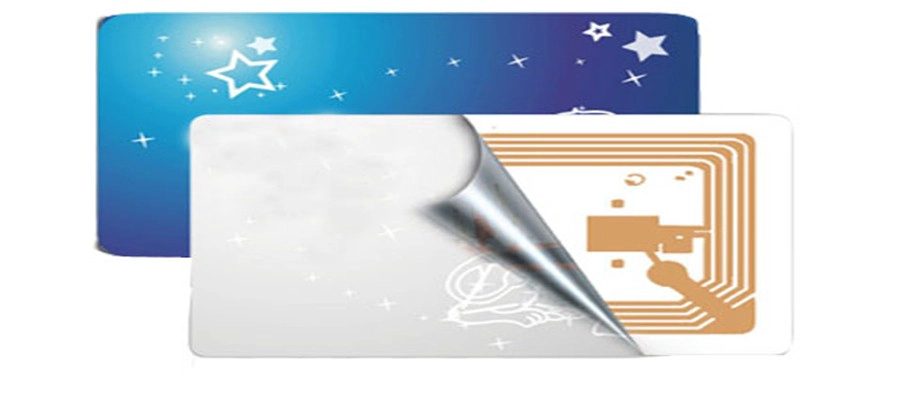
LONDON – In a world increasingly moving at the speed of a tap, the humble contactless smart card has become a staple of modern convenience. From buying a morning coffee to boarding a subway, millions of transactions happen daily with a simple wave of a card or phone. But have you ever wondered what magic happens in the split second between your tap and the approving beep?
The technology, far from being magic, is a sophisticated feat of engineering known as Radio-Frequency Identification (RFID), specifically a type called Near Field Communication (NFC). At its core, the process is an elegant, silent conversation between two devices.
How the 'Silent Conversation' Works
It begins when you bring your card close to a payment terminal. The terminal, which is constantly emitting a low-power radio frequency field, acts as a reader. Embedded within the plastic of your card is a small metal antenna and a microchip.
-
Power-Up: When the card enters the terminal's electromagnetic field (typically within 4-10 centimeters), the antenna harvests just enough energy to power the microchip. This means the card itself has no battery; it’s powered wirelessly by the reader.
-
The Digital Handshake: Once energized, the chip on the card transmits its unique identification data back to the terminal through the same radio waves. This entire data exchange is secured using advanced encryption, ensuring your sensitive information is protected from eavesdropping.
-
Authentication and Completion: The reader receives this encrypted data and forwards it to the bank or payment network for verification. Once approved, the transaction is completed, and the terminal signals success with a beep or a green light. This entire process often takes less than half a second.
Security: A Top Priority
A common concern among users is security. Could someone steal data by standing close by with a reader? Experts explain that the extremely short range of NFC is its first line of defense. Furthermore, each transaction generates a unique, one-time code. Even if a fraudster intercepted the signal, the data would be useless for future purchases.
"Contactless technology is designed with multiple layers of security," says Dr. Anya Sharma, a cybersecurity professor. "The combination of encryption, tokenization, and the need for physical proximity makes it a very secure method for low-value transactions. For higher amounts, the requirement for a PIN adds another robust layer of protection."
Beyond Payments: A Versatile Technology
The applications of this technology extend far beyond credit and debit cards. It is the same principle that powers modern transit cards like London's Oyster card or Hong Kong's Octopus card, corporate access badges for entering secure buildings, and even the newest biometric passports.
As we move towards an even more connected future, the humble contactless chip is set to become even more integrated into our daily lives, powering everything from smart home access to personal identity verification. The next time you tap to pay, remember the silent, high-tech conversation happening right in the palm of your hand.