 English
 简体中文
简体中文 русский
 عربى
عربى français
 Español
 日本語
日本語 한국어
한국어 Italian
 Deutsche
 português
 Türk
Türk हिंदी
हिंदी Persian
 Polskie
 Tiếng Việt
 Indonesian
 Filipino
 Urdu
Urdu Bengali
 Український
 Swahili
 Kazakh
 Uzbek
Uzbek

What is an RFID Keyfob Tag? The Tiny Tech Powering Secure Access and Efficient Tracking
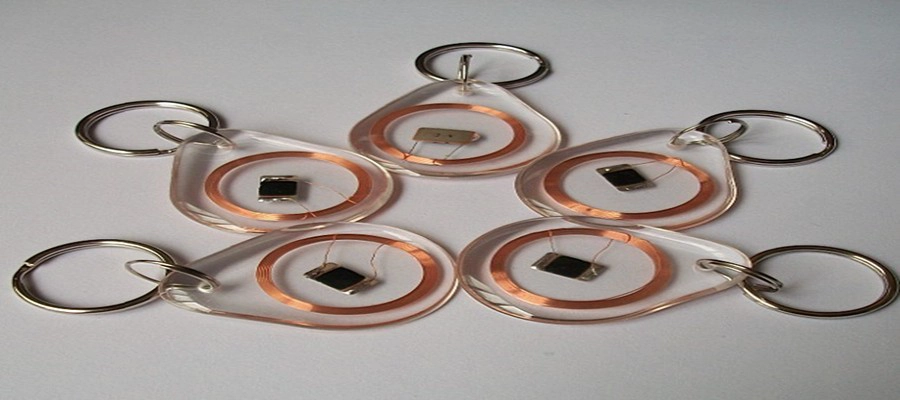
LONDON – In an increasingly connected world, a small, often-overlooked technology is quietly revolutionizing how we access buildings, make payments, and manage assets. This technology is the RFID Keyfob Tag, a compact device that is becoming as ubiquitous as the keys it is designed to replace.
So, what exactly is an RFID Keyfob Tag? At its core, it is a small, portable device that uses Radio-Frequency Identification (RFID) to communicate data wirelessly over short distances. Typically attached to a keyring for convenience—hence the name "keyfob"—it contains a microchip that stores identifying information and an antenna that transmits this data to a reader.
"The simplicity and reliability of RFID keyfobs are what make them so powerful," says Dr. Evelyn Reed, a technology analyst at SmartSec Solutions. "They require no internal power source; instead, they are activated by the electromagnetic energy emitted by a reader. This passive design makes them incredibly durable, inexpensive, and long-lasting."
How Does it Work?
The process is seamless. When a user brings the keyfob within a few inches to a few feet of a compatible RFID reader, the reader's radio waves power the keyfob's chip. The chip then instantly transmits its unique identifier back to the reader. This entire interaction takes milliseconds. The reader passes the information to a central system (like an access control system), which verifies the ID and grants or denies access, logs the entry, or processes a transaction.
Versatile Applications Across Industries
The applications for RFID keyfobs are vast and growing:
-
Access Control: The most common use is for physical security. Millions of employees use keyfobs to enter office buildings, parking garages, and restricted areas securely, replacing traditional keys that can be easily copied or lost.
-
Contactless Payments: Many gyms, public pools, and corporate campuses use keyfobs as membership cards or for cashless payments at canteens and vending machines.
-
Hotel Industry: Modern hotels issue keyfobs to guests for room entry, enhancing security and streamlining the check-in process.
-
Asset and Inventory Management: Businesses use keyfobs tagged to equipment, toolboxes, or sample cases to track their movement within a facility, improving logistics and reducing loss.
Security Considerations and the Future
While highly convenient, older low-frequency (LF) RFID keyfobs have faced scrutiny over security vulnerabilities, such as being susceptible to cloning. However, the industry has responded with more secure high-frequency (HF) and ultra-high-frequency (UHF) tags, along with advanced encryption protocols.
"The future of the RFID keyfob is integration," adds Dr. Reed. "We're starting to see them combined with other technologies like biometrics or blended into multi-functional wearable devices. But for sheer cost-effectiveness and ease of use, the standard keyfob will remain a cornerstone of secure identification for years to come."