 English
 简体中文
简体中文 русский
 عربى
عربى français
 Español
 日本語
日本語 한국어
한국어 Italian
 Deutsche
 português
 Türk
Türk हिंदी
हिंदी Persian
 Polskie
 Tiếng Việt
 Indonesian
 Filipino
 Urdu
Urdu Bengali
 Український
 Swahili
 Kazakh
 Uzbek
Uzbek

The Multifunctional Powerhouse: Unpacking the Essential Functions of the Plastic Smart Card
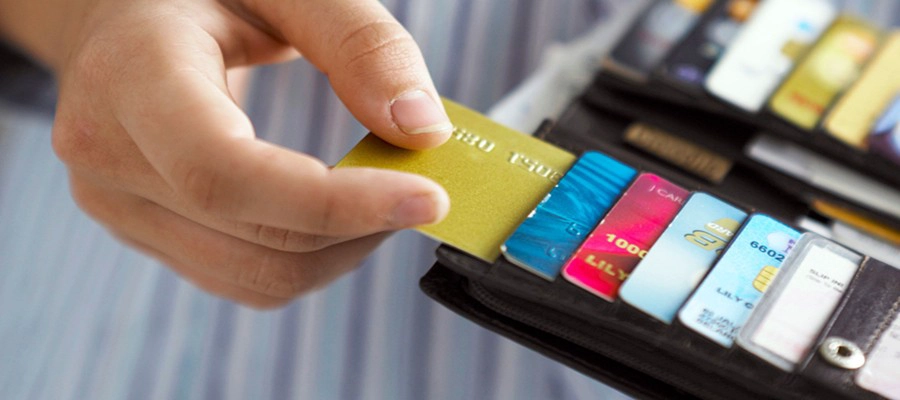
In an era dominated by digital wallets and biometrics, the humble plastic smart card remains an unsung hero of modern technology. Far more than just a piece of embedded plastic, it is a secure, portable, and versatile computing platform that powers critical aspects of daily life and global infrastructure. But what exactly are the core functions that make this technology so enduring and indispensable?
At its most fundamental level, a smart card incorporates a tiny embedded microcontroller or memory chip, enabling it to store, process, and protect data. This simple capability unlocks a universe of applications, which can be distilled into several key functional categories.
1. Robust Security and Identity Authentication: This is the primary function for many smart cards. They serve as a highly secure vault for digital identities. Cards like national eIDs, employee badges, and healthcare cards store encrypted biometric data, PINs, and certificates. They perform on-card authentication, meaning the critical verification happens within the chip's secure boundary, drastically reducing the risk of data theft compared to magnetic stripes. This function is the bedrock of secure access and trusted digital signatures.
2. Physical and Logical Access Control: A ubiquitous application of this security function is in controlling entry. Smart cards grant access to office buildings, hotel rooms, and secure facilities (physical access), while also logging users into computer networks, cloud services, and VPNs (logical access). The card acts as a personalized key that is difficult to duplicate or forge.
3. Financial Transactions: The global payments landscape relies heavily on smart card technology. EMV chip cards in wallets and smartphones (via NFC) have revolutionized commerce by generating dynamic, unique transaction codes for every purchase. This function combats fraud and enables secure contactless payments, debit/credit operations, and loyalty program management.
4. Data Storage and Portable Records: Smart cards provide a portable, secure file system. Healthcare cards store patient histories and insurance details. Student IDs can hold library records and meal plan balances. Government cards might contain driving licenses or social security information. This function allows individuals to carry essential data securely and present it as needed.
5. Multi-Application Convergence: A powerful trend is the convergence of these functions onto a single card—the "multi-application" smart card. A single piece of plastic can serve as a corporate ID, provide access to the parking garage and secure servers, act as a payment card in the cafeteria, and even function as a public transit pass. This consolidation enhances convenience and efficiency.
"The genius of the plastic smart card lies in its elegant integration of multiple functions into a universally accepted form factor," explains Dr. Anya Sharma, a fintech security analyst. "It bridges the physical and digital worlds, offering a level of security, privacy, and user control that purely cloud-based identities often struggle to match. Its functions are evolving, not becoming obsolete."
Looking ahead, the core functions of the plastic smart card are expanding to include support for biometric on-card matching (e.g., fingerprint sensors within the card) and facilitating secure access to the Internet of Things (IoT). While form factors may change, the essential functions of secure authentication, data protection, and transactional integrity ensure that the smart card's role as a multifunctional powerhouse will remain critical for years to come.