 English
 简体中文
简体中文 русский
 عربى
عربى français
 Español
 日本語
日本語 한국어
한국어 Italian
 Deutsche
 português
 Türk
Türk हिंदी
हिंदी Persian
 Polskie
 Tiếng Việt
 Indonesian
 Filipino
 Urdu
Urdu Bengali
 Український
 Swahili
 Kazakh
 Uzbek
Uzbek

Unlocking the Future: A Deep Dive into the Universal RFID Key Process
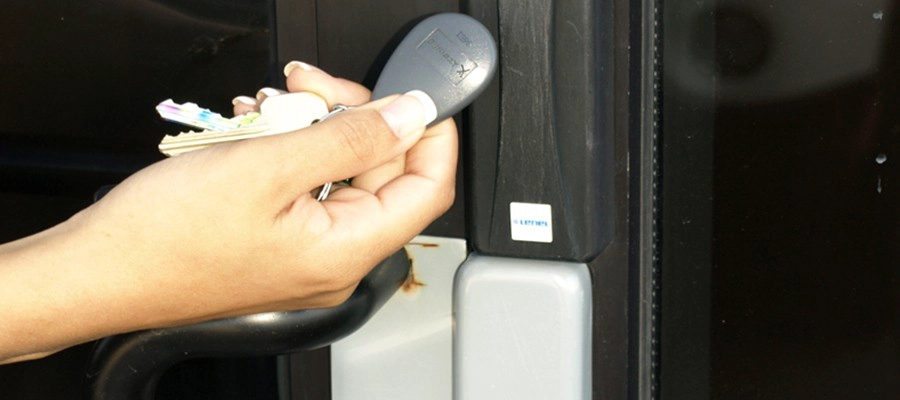
In an increasingly interconnected world, Radio Frequency Identification (RFID) technology has emerged as a cornerstone of digital transformation across industries—from retail and logistics to healthcare and security. At the heart of this evolution lies a critical concept: the Universal RFID Key Process. But what exactly is it, and why is it poised to redefine efficiency and interoperability on a global scale?
Understanding the Universal RFID Key Process
The Universal RFID Key Process refers to a standardized method of encoding, accessing, and authenticating RFID tags across diverse systems and platforms. Unlike proprietary RFID protocols, which often create silos and compatibility issues, this universal approach enables seamless communication between different RFID readers, tags, and software—regardless of manufacturer or application.
At its core, the process involves:
-
Standardized Encoding: Using globally recognized data formats (such as those defined by GS1 or ISO) to ensure that information stored on RFID tags is universally readable.
-
Secure Authentication: Implementing cryptographic keys and access controls to protect data integrity and prevent unauthorized scanning or cloning.
-
Interoperable Infrastructure: Leveraging open APIs and cloud-based platforms to allow RFID systems to “speak the same language,” facilitating real-time data sharing and analytics.
Why It Matters
For decades, RFID adoption has been hindered by fragmentation. Companies relying on custom or vendor-specific solutions often faced high costs, limited scalability, and integration challenges. The Universal RFID Key Process addresses these pain points by offering a cohesive framework that reduces complexity, enhances security, and accelerates deployment.
In supply chains, for instance, this process enables a product tagged in a factory in Asia to be tracked seamlessly through ports, warehouses, and stores in Europe or America—all without manual intervention. In healthcare, it ensures that medical devices and patient records are accurately identified across different hospital networks, improving safety and operational efficiency.
Industry Perspectives
Leading technology analysts have hailed the Universal RFID Key Process as a “game-changer.” According to Dr. Elena Morris, a senior researcher at the Institute of Digital Innovation, “This approach democratizes RFID technology. It lowers barriers for small and medium enterprises while empowering large corporations to build more resilient, transparent ecosystems.”
Major players in tech and logistics, including IBM, Siemens, and DHL, are already investing in compatible solutions. In a recent pilot project, a European automotive manufacturer reported a 30% reduction in inventory management costs after adopting the universal standard.
Challenges and the Road Ahead
Despite its promise, widespread implementation faces hurdles. Legacy systems require upgrades, and concerns about data privacy and cybersecurity must be rigorously addressed. However, collaborative efforts among international standards organizations, governments, and private sectors are paving the way for gradual adoption.
As the Internet of Things (IoT) expands, the Universal RFID Key Process is expected to become integral to smart cities, autonomous logistics, and even consumer applications like contactless payments and personalized shopping experiences.
Conclusion
The Universal RFID Key Process represents more than just a technical standard—it is a vision of a fully connected, efficient, and secure world. By bridging gaps between isolated systems, it unlocks the true potential of RFID technology, driving innovation and sustainability across the globe. As industries continue to embrace digitalization, this universal key may well be the tool that unlocks tomorrow’s possibilities.