 English
 简体中文
简体中文 русский
 عربى
عربى français
 Español
 日本語
日本語 한국어
한국어 Italian
 Deutsche
 português
 Türk
Türk हिंदी
हिंदी Persian
 Polskie
 Tiếng Việt
 Indonesian
 Filipino
 Urdu
Urdu Bengali
 Український
 Swahili
 Kazakh
 Uzbek
Uzbek

The Silent Revolution: How the Multi-Functional Plastic Smart Card Powers Modern Life
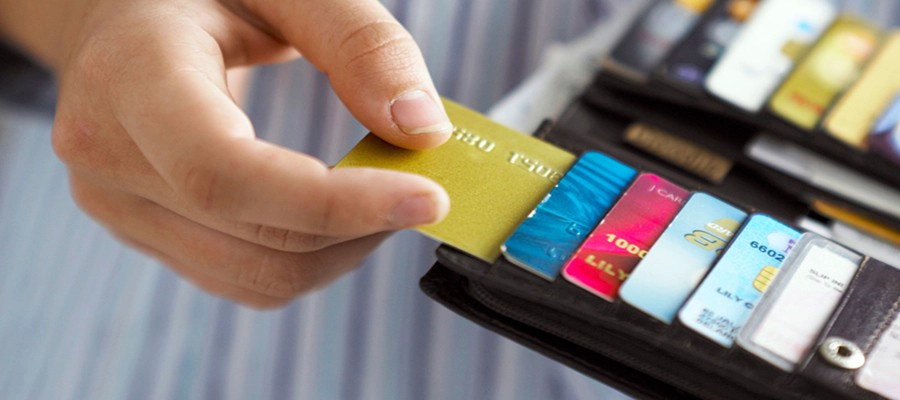
In an increasingly digital world, a small, ubiquitous object remains a cornerstone of daily transactions and access control: the plastic smart card. Far more than a simple piece of plastic, these cards, embedded with a tiny microchip, are orchestrating a silent revolution in security, convenience, and efficiency across countless sectors.
The core function of a smart card is to securely store, process, and protect data. Unlike magnetic stripe cards, the chip within a smart card can perform cryptographic functions, making it exceptionally resistant to fraud and counterfeiting. This primary function has unlocked a multitude of applications that define modern convenience.
"The humble smart card is a powerhouse of functionality," says Dr. Emily Thorne, a technology analyst at FinTech Insights. "Its roles can be broadly categorized into several key areas: secure payment, digital identification, access control, and data loyalty. It's a miniature, encrypted vault that you carry in your wallet."
1. The Vanguard of Financial Security
In the financial realm, EMV (Europay, Mastercard, Visa) chip cards have become the global standard. The chip generates a unique transaction code for every purchase, rendering stolen data useless for future transactions. This has drastically reduced point-of-sale fraud and built a more secure foundation for the global payment ecosystem.
2. The Key to Digital Identity and Access
From corporate badges that grant access to office buildings and secure networks to national ID cards and e-passports, smart cards are fundamental to modern identity verification. They securely hold biometric data and personal information, enabling swift and reliable authentication for government services, healthcare records, and border control.
3. Driving Mobility and Urban Living
Public transportation systems in major cities like London, Tokyo, and New York rely on contactless smart cards. Cards like London's Oyster allow for seamless travel across buses and trains, simplifying the commuter experience and streamlining urban mobility.
4. Loyalty and Beyond
The versatility of smart cards extends to storing loyalty points, membership details, and even healthcare information like insurance data and prescription histories. This consolidation of functions into a single, secure device enhances user experience across retail and healthcare industries.
Despite the rise of mobile wallets and digital-only solutions, the physical smart card is far from obsolete. Its blend of robust security, universal compatibility, and tangible user trust ensures its continued relevance.
"The future of the smart card is not about replacement, but evolution," concludes Dr. Thorne. "We will see them integrate with newer technologies, perhaps featuring dynamic CVV codes or even thinner, more flexible form factors. For the foreseeable future, this piece of plastic will remain an indispensable tool, quietly powering the interactions of our daily lives."
About the Technology:
A smart card is typically a credit-card-sized piece of plastic with an embedded integrated circuit chip. It can be a contact card, which requires physical insertion into a reader, a contactless card that uses RFID technology for short-range wireless communication, or a dual-interface card incorporating both methods.