 English
 简体中文
简体中文 русский
 عربى
عربى français
 Español
 日本語
日本語 한국어
한국어 Italian
 Deutsche
 português
 Türk
Türk हिंदी
हिंदी Persian
 Polskie
 Tiếng Việt
 Indonesian
 Filipino
 Urdu
Urdu Bengali
 Український
 Swahili
 Kazakh
 Uzbek
Uzbek

New Research Exposes Critical Flaws in RFID Smart Card Security
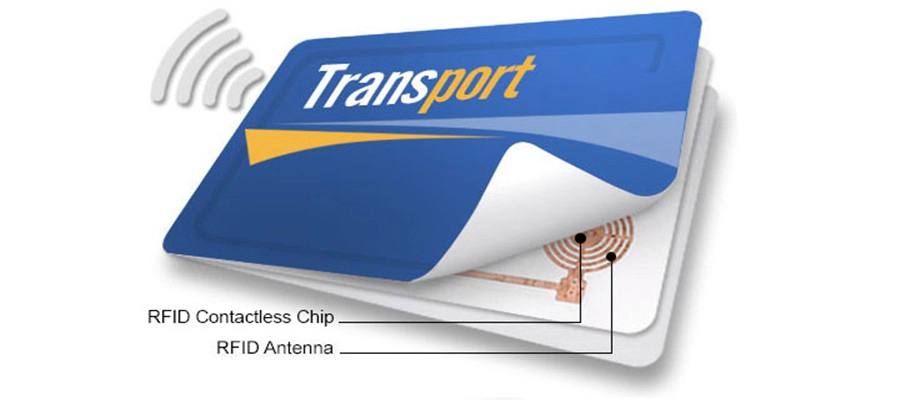
Groundbreaking Study Reveals Vulnerabilities in Widely Used RFID Smart Cards
A new comprehensive study from the Institute of Cybersecurity at Technion University has raised significant alarms regarding the security of RFID (Radio-Frequency Identification) smart cards, ubiquitous in access control, payment systems, and public transportation.
The research, titled "The Layered Insecurity of Modern RFID Implementations," demonstrates that a substantial portion of RFID smart cards currently deployed rely on outdated or weakly implemented encryption protocols. Researchers were able to clone, eavesdrop on, and in some cases, completely bypass the security of several common card models using affordable, off-the-shelf hardware.
"Many organizations and consumers assume these cards are inherently secure," explained Dr. Elena Vance, the lead researcher. "Our findings show that a false sense of security is pervasive. We successfully intercepted communication between cards and readers from a distance, harvested unique identifiers, and exploited cryptographic weaknesses to create functional duplicates."
The vulnerabilities stem from several factors: the continued use of legacy protocols like MIFARE Classic, poor key management practices by manufacturers and end-users, and the physical nature of wireless communication, which is inherently susceptible to skimming and relay attacks. The study highlights that while high-security cards (e.g., those using modern AES encryption) exist, cost-cutting often leads to the deployment of inferior technology.
The implications are severe. Unauthorized building access, fraudulent payments, identity theft, and the tracking of individuals' movements become feasible for malicious actors. Critical infrastructure, corporate offices, and hotel room locks that depend solely on these vulnerable cards are particularly at risk.
In response to the findings, cybersecurity experts are urging a multi-layered security approach. Recommendations include:
-
Phasing out legacy RFID cards in favor of modern, cryptographically strong alternatives.
-
Implementing two-factor authentication (e.g., card plus PIN or biometrics).
-
Regular security audits and penetration testing of physical access systems.
-
User awareness about the risks of card skimming in public spaces.
Major card manufacturers have acknowledged the report, with several committing to accelerate the retirement of older technology lines. Standards bodies are also under pressure to mandate stricter certification processes.
"The security of the RFID smart card is not a static feature; it's an ongoing arms race," concluded Dr. Vance. "This research is a wake-up call. As we integrate these technologies ever deeper into our daily lives and critical systems, we must invest in their resilience with the same urgency as we do for our digital networks."
The full technical report will be presented at the upcoming International Conference on Cryptographic Hardware and Embedded Systems (CHES).