 English
 简体中文
简体中文 русский
 عربى
عربى français
 Español
 日本語
日本語 한국어
한국어 Italian
 Deutsche
 português
 Türk
Türk हिंदी
हिंदी Persian
 Polskie
 Tiếng Việt
 Indonesian
 Filipino
 Urdu
Urdu Bengali
 Український
 Swahili
 Kazakh
 Uzbek
Uzbek

Unlocking Metal's Potential: A Practical Guide to Using Anti-Metal NFC Tags
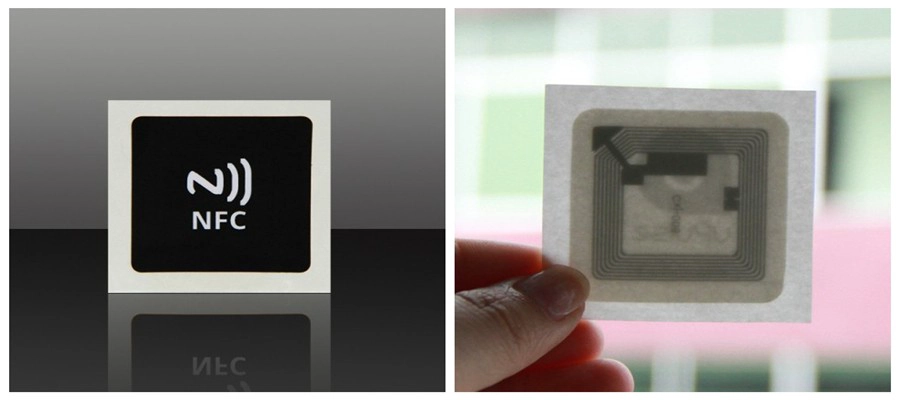
NFC (Near Field Communication) technology has transformed simple interactions, from contactless payments to sharing digital business cards. However, a significant hurdle has long existed: standard NFC tags fail when placed on metal surfaces, their signals disrupted and rendered useless. Enter the anti-metal NFC tag – a specialized tool unlocking a new wave of industrial and commercial applications. But how do you effectively use one?
Understanding the Core Technology
Unlike standard tags, anti-metal NFC tags incorporate a protective ferrite or foam shielding layer. This layer acts as a barrier, preventing the metal surface from absorbing the electromagnetic field generated by an NFC reader (like a smartphone). This ensures the tag can be powered and communicate effectively. The most common and effective types are on-metal stickers or rugged epoxy tags with strong adhesive backings.
A Step-by-Step Guide to Implementation
Using an anti-metal tag is straightforward, but success depends on correct deployment:
-
Surface Preparation is Key: This is the most critical step. Ensure the metal surface is clean, dry, and free of dust, oil, or rust. Wipe it with isopropyl alcohol and let it dry completely. Any debris can weaken the adhesive and create signal interference.
-
Encoding Before Application: Always program your tag before attaching it permanently to the metal. Use a standard NFC writer app on your phone or a professional encoder. Write your desired data—whether it's a URL linking to a maintenance manual, a serial number for inventory tracking, or instructions for equipment operation.
-
Firm Application for Optimal Performance: Peel off the backing and firmly press the tag onto the prepared surface. Apply even pressure, especially around the edges, to ensure full adhesive contact and eliminate air gaps, which can degrade performance. For permanent asset tracking, consider tags with industrial-grade adhesive.
-
Testing in the Real Environment: Don’t just test in open air. After application, use your smartphone or reader to scan the tag in its final position. Test from different angles and distances to ensure reliable read range, which is typically up to several centimeters.
Transforming Industries: Practical Use Cases
The true power of anti-metal tags is revealed in their applications:
-
Industrial Asset Management: Tag machinery, servers, or tool cabinets to instantly pull up service history, calibration data, or operating manuals.
-
Smart Manufacturing: Place tags on production line jigs or robots to store setup instructions, streamlining changeovers.
-
Retail & Marketing: Attach tags to metal displays, appliances, or high-value products to deliver interactive demos, warranties, or promotional content.
-
Infrastructure & Utilities: Mark metal pipes, electrical panels, or HVAC units for quick access to installation dates, inspection logs, or safety protocols.
Expert Advice for Success
"We see the biggest mistake being improper surface prep and encoding order," says Marcus Thorne, CTO of NFC Solutions Lab. "Treat the adhesive like a structural component of the antenna system. Also, remember that while durable, these tags are not indestructible. For harsh environments—extreme heat, chemicals, or abrasion—select a tag with a hardened casing."
As the Internet of Things (IoT) expands, anti-metal NFC tags serve as a simple, cost-effective bridge between physical metal assets and the digital world. By following these practical steps, businesses can leverage this robust technology to enhance efficiency, accuracy, and interactivity in environments where standard NFC once feared to tread.