 English
 简体中文
简体中文 русский
 عربى
عربى français
 Español
 日本語
日本語 한국어
한국어 Italian
 Deutsche
 português
 Türk
Türk हिंदी
हिंदी Persian
 Polskie
 Tiếng Việt
 Indonesian
 Filipino
 Urdu
Urdu Bengali
 Український
 Swahili
 Kazakh
 Uzbek
Uzbek

Unlocking the Future: The Rise of Dual Frequency Key Ring Cards in Modern Security and Convenience
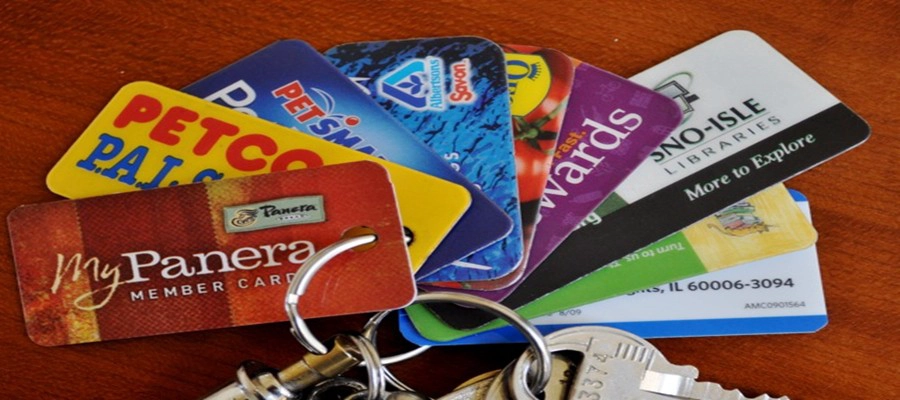
In an era where seamless access and secure transactions are paramount, the dual frequency key ring card has emerged as a game-changing innovation. Combining 13.56MHz and 125KHz technologies, this compact device is revolutionizing how we interact with everyday systems, from office buildings to payment terminals. But what exactly is a dual frequency key ring card, and why is it gaining traction across industries? Let's delve into the details.
What is a Dual Frequency Key Ring Card?
A dual frequency key ring card is a small, portable card designed to operate on two distinct radio frequencies: 13.56MHz (high frequency) and 125KHz (low frequency). Often attached to a keychain for easy carry, it serves as a multi-purpose tool for identification, access control, and data transmission. The 13.56MHz frequency is commonly associated with Near Field Communication (NFC) and High-Frequency RFID, enabling fast data transfer for applications like contactless payments and smart ticketing. Meanwhile, the 125KHz frequency is used for low-frequency RFID systems, ideal for basic access control, such as keyless entry to buildings or vehicles. By integrating both frequencies, this card eliminates the need for multiple devices, offering unparalleled versatility.
How Does It Work?
The card contains embedded chips and antennas tuned to each frequency. When brought near a compatible reader, the 125KHz component can be used for simple, short-range tasks like unlocking doors, while the 13.56MHz component handles more complex operations, such as encrypting transaction data or syncing with smartphones. This dual capability ensures compatibility with a wide range of existing infrastructure, making it a cost-effective upgrade for businesses and consumers alike. For instance, employees can use the same card to enter their workplace (via 125KHz) and make cafeteria purchases (via 13.56MHz), streamlining daily routines.
Applications and Benefits
The adoption of dual frequency key ring cards is expanding rapidly across sectors. In corporate environments, they enhance security by supporting multi-layered access systems. In retail, they enable loyalty programs and quick payments, while in healthcare, they help manage patient records securely. According to industry experts, the global market for such devices is projected to grow by 15% annually, driven by the Internet of Things (IoT) and smart city initiatives.
Key advantages include:
-
Enhanced Convenience: One card for multiple uses reduces clutter and improves user experience.
-
Improved Security: The 13.56MHz frequency often incorporates advanced encryption, protecting against unauthorized access.
-
Cost Efficiency: Organizations can phase out legacy systems without full overhauls, thanks to backward compatibility with 125KHz technology.
John Miller, a technology analyst at SecureTech Insights, notes, "Dual frequency cards represent a bridge between old and new infrastructures. They allow for a smooth transition to higher-security applications while maintaining support for widespread low-frequency systems."
Challenges and Future Outlook
Despite their benefits, challenges such as interference between frequencies and higher production costs remain. However, ongoing research aims to optimize performance and affordability. Looking ahead, these cards are set to play a pivotal role in emerging trends like digital wallets and smart home integration, potentially incorporating biometric features for added security.
In conclusion, the dual frequency key ring card is more than just a convenience item; it's a testament to the evolution of wireless technology. As we move toward a more connected world, understanding and adopting such tools will be crucial for businesses and individuals seeking efficiency and safety. Whether for personal use or enterprise solutions, this innovation is poised to become a staple in the toolkit of modern life.