 English
 简体中文
简体中文 русский
 عربى
عربى français
 Español
 日本語
日本語 한국어
한국어 Italian
 Deutsche
 português
 Türk
Türk हिंदी
हिंदी Persian
 Polskie
 Tiếng Việt
 Indonesian
 Filipino
 Urdu
Urdu Bengali
 Український
 Swahili
 Kazakh
 Uzbek
Uzbek

The Silent Revolution: How Contactless Smart Cards Are Changing Our Daily Lives
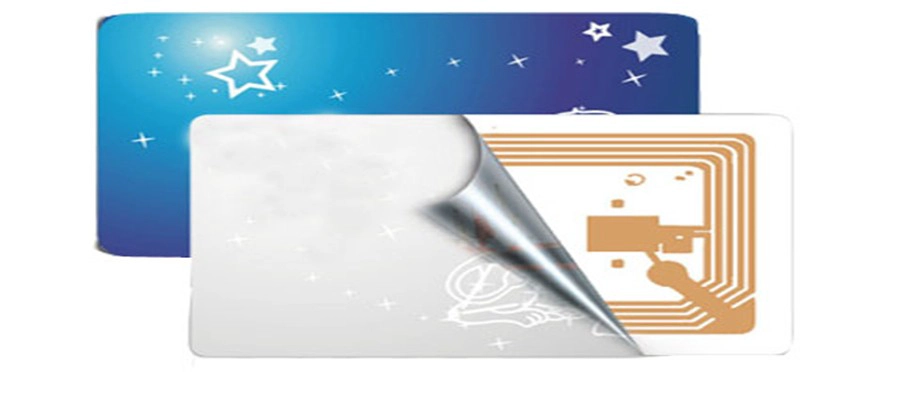
In an era where speed and convenience are paramount, a quiet technological revolution is unfolding in our wallets and pockets. The humble contactless smart card, a staple of modern payment and access systems, is fundamentally altering how we transact, travel, and secure our environments. But how exactly do these sleek pieces of plastic perform their magic without a swipe or an insertion?
The core technology enabling this seamless interaction is a combination of Radio-Frequency Identification (RFID) or its more secure cousin, Near Field Communication (NFC). Embedded within every card is a small microchip and a radio antenna.
"The process is a marvel of modern engineering," explains Dr. Eleanor Vance, a professor of electrical engineering at the University of Techminster. "When you tap your card on a reader, the reader emits a low-power radio wave field. This field provides just enough energy to the card's antenna, powering up the chip momentarily. It's a completely passive process for the card—it has no battery."
Once energized, the chip and the reader establish a secure communication link. The chip, which contains a tiny microcontroller, processes the request from the terminal. In the case of a payment, this involves verifying the card's credentials and the transaction amount. For access control, it checks the card's unique identifier against a secure database.
Security is a primary concern for consumers, and rightfully so. Contactless cards are designed with multiple layers of protection.
"They are far from being simple, dumb devices," says Mark Chen, a cybersecurity analyst at SecureFuture Inc. "The chips use sophisticated encryption, generating a unique, one-time code for every transaction. This makes it extremely difficult for fraudsters to clone the card or intercept reusable data. Furthermore, the very short operational range—typically less than 10 centimeters—prevents 'skimming' from a distance."
The applications of this technology have expanded rapidly. What started with simple access cards for office buildings has now become the global standard for public transportation systems in cities like London and Tokyo, and for fast payments at retail outlets worldwide. Transit authorities report significantly reduced queue times at gates, while retailers note faster checkout processes and increased customer satisfaction.
The future of contactless technology is even more integrated. The principles behind the card are the same as those in smartphones and wearable devices used for mobile payments. Industry experts predict a move towards even more multifunctional cards that could combine payment, transit, digital identity, and loyalty programs into a single, secure device.
As we tap our way through daily life, the unassuming contactless smart card stands as a testament to how a small, ingeniously engineered chip is making a colossal impact on efficiency, security, and convenience for millions around the globe.