 English
 简体中文
简体中文 русский
 عربى
عربى français
 Español
 日本語
日本語 한국어
한국어 Italian
 Deutsche
 português
 Türk
Türk हिंदी
हिंदी Persian
 Polskie
 Tiếng Việt
 Indonesian
 Filipino
 Urdu
Urdu Bengali
 Український
 Swahili
 Kazakh
 Uzbek
Uzbek

What Is an RFID Keyfob Tag? Unlocking the Basics of Modern Access Technology
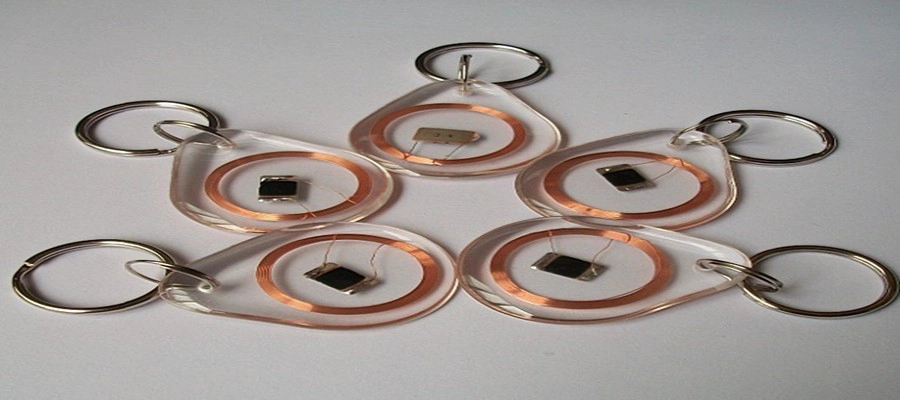
In an era where convenience and security are paramount, RFID keyfob tags have emerged as a ubiquitous tool in various industries. But what exactly is an RFID keyfob tag? Simply put, it is a small, portable device that uses Radio-Frequency Identification (RFID) technology to wirelessly transmit data for identification, access control, and tracking purposes. Often resembling a keychain or a small remote, these tags are revolutionizing how we interact with everyday systems, from office buildings to payment terminals.
RFID technology itself is not new—it has been around for decades, initially used in logistics and inventory management. However, the integration into keyfob-sized tags has made it more accessible to the general public. An RFID keyfob tag typically consists of a microchip and an antenna embedded in a durable plastic or metal casing. When brought near an RFID reader, the tag communicates via radio waves, allowing for quick, contactless data exchange. This eliminates the need for physical keys or manual input, streamlining processes in sectors like security, retail, and transportation.
The applications of RFID keyfob tags are vast and growing. In the security domain, they are commonly used for access control in residential complexes, corporate offices, and hotels, enabling authorized entry with a simple tap. In retail, they facilitate loyalty programs and cashless payments, while in logistics, they help track assets and manage inventory efficiently. According to industry reports, the global RFID market is projected to reach over $40 billion by 2030, driven by the adoption of such user-friendly devices.
One of the key advantages of RFID keyfob tags is their ease of use and durability. They are designed to withstand daily wear and tear, and their battery-free passive variants can last for years without maintenance. Moreover, they enhance security by reducing the risk of unauthorized duplication compared to traditional keys. However, concerns about privacy and data breaches persist, as RFID signals can potentially be intercepted by malicious actors. To mitigate this, many modern tags incorporate encryption and other security features.
As technology evolves, RFID keyfob tags are expected to become even more integrated into smart cities and Internet of Things (IoT) ecosystems. For instance, they could be linked to mobile apps for personalized settings or used in public transportation systems for seamless travel. Experts emphasize that while these tags offer immense benefits, users should remain aware of best practices, such as regularly updating access permissions and using shielded cases to prevent skimming.
In conclusion, the RFID keyfob tag is more than just a convenience—it represents a shift toward a more connected and efficient world. By understanding its fundamentals, consumers and businesses alike can harness its potential while addressing associated challenges. As we move forward, these tiny devices are set to play an even bigger role in shaping our daily interactions with technology.