 English
 简体中文
简体中文 русский
 عربى
عربى français
 Español
 日本語
日本語 한국어
한국어 Italian
 Deutsche
 português
 Türk
Türk हिंदी
हिंदी Persian
 Polskie
 Tiếng Việt
 Indonesian
 Filipino
 Urdu
Urdu Bengali
 Український
 Swahili
 Kazakh
 Uzbek
Uzbek

The RFID Sticker Tag: How This Tiny Technology is Weaving Into the Fabric of Our Daily Lives
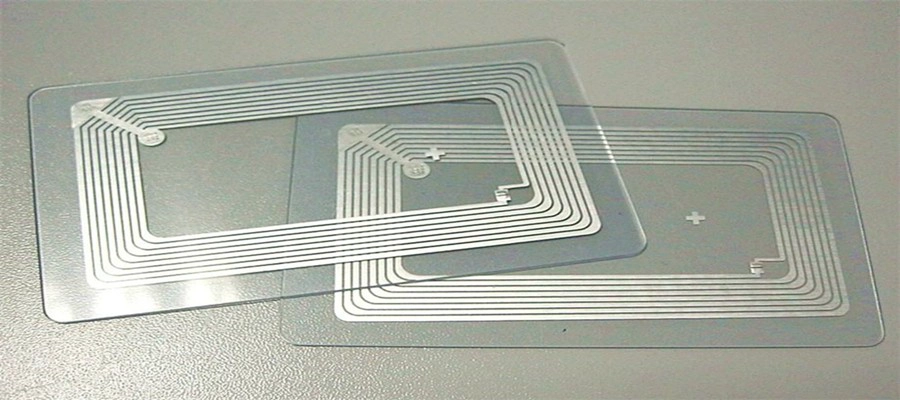
They are thin, often no bigger than a postage stamp, and can be stuck onto almost any surface. Unbeknownst to many, RFID sticker tags are quietly revolutionizing mundane tasks and complex logistics alike, becoming an invisible yet integral thread in the tapestry of modern life. From the package on your doorstep to the book in your local library, these tiny tags are all around us.
An RFID (Radio-Frequency Identification) sticker tag is a flexible, adhesive label containing a microchip and an antenna. Unlike its keyfob counterpart, its flat, lightweight design allows it to be discretely affixed to a vast array of items. When activated by the radio waves from an RFID reader, the tag transmits stored data, enabling instant identification and tracking without a direct line of sight. This simple action is unlocking unprecedented levels of efficiency and convenience.
The infiltration of these stickers into our daily routines is profound. In the world of retail and e-commerce, they are the engine behind the scenes. A sticker tag on a product package allows for instant inventory checks in a warehouse, drastically reducing the time employees spend counting stock. For the consumer, this means faster shipping and more accurate stock levels online. Some forward-thinking retailers are even using them to power self-checkout systems, where a customer can place a whole basket of tagged items on a scanner for a near-instantaneous total.
Logistics and supply chain management have been utterly transformed. A sticker on a pallet or shipping container provides a digital passport, tracking its journey from manufacturer to distributor to store. This real-time visibility helps companies prevent loss, optimize routes, and ensure the integrity of perishable goods.
Beyond commerce, RFID stickers are enhancing everyday experiences. In libraries, they have largely replaced barcodes, allowing patrons to check out a stack of books in seconds. In transportation, they serve as electronic toll collection passes on windshields, enabling seamless travel on highways. They are even found in waste management, where tags on bins help municipalities track disposal and implement pay-as-you-throw programs.
The benefits are clear: dramatic time savings, reduced human error, and enhanced data collection. However, the proliferation of RFID stickers also raises important questions about privacy and data security. A tag that can be read remotely and without your knowledge could, in theory, be used to track personal belongings or consumer habits. Experts advise that consumers should be aware of which items contain these tags and that industries must prioritize data encryption and clear privacy policies.
As we look to the future, the role of the RFID sticker tag is set to expand further. They are fundamental to the concept of the "smart home," where everything from food containers to appliances could be tagged for automated inventory management. In healthcare, they are being used to track sensitive equipment and medication, improving patient safety.
In conclusion, the RFID sticker tag is a quintessential example of a technology that is most powerful when it is invisible. It works not by demanding our attention, but by seamlessly simplifying the background processes of our lives. As these tiny tags continue to multiply, they promise to make our world more connected, efficient, and intelligent, one sticker at a time.