 English
 简体中文
简体中文 русский
 عربى
عربى français
 Español
 日本語
日本語 한국어
한국어 Italian
 Deutsche
 português
 Türk
Türk हिंदी
हिंदी Persian
 Polskie
 Tiếng Việt
 Indonesian
 Filipino
 Urdu
Urdu Bengali
 Український
 Swahili
 Kazakh
 Uzbek
Uzbek

How RFID Technology is Quietly Revolutionizing Your Library Experience
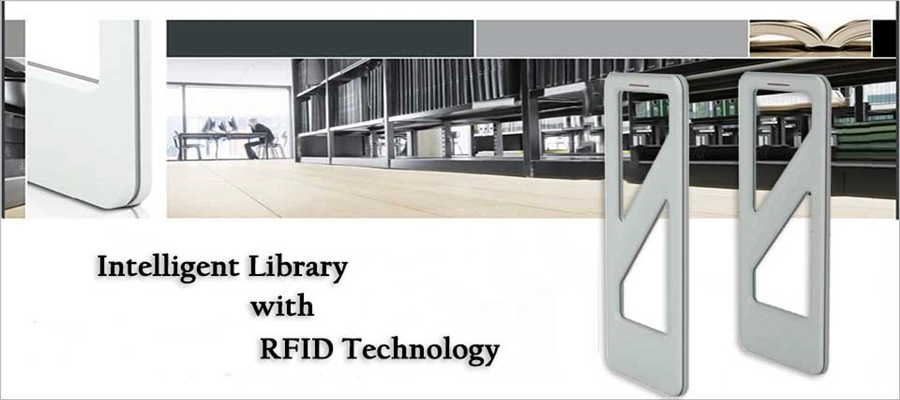
Walk into any modern library today, and you might notice things are a little different. The long queues at the checkout counter are shorter, the process of returning books is instantaneous, and finding a misplaced novel is no longer a herculean task for the staff. The unsung hero behind this seamless efficiency? Radio Frequency Identification (RFID) technology.
While most patrons are familiar with the classic barcode, RFID is its smarter, more powerful successor. Unlike barcodes that require line-of-sight scanning, RFID uses electromagnetic fields to automatically identify and track tags attached to books, DVDs, and other media. This fundamental difference is transforming library operations from the ground up.
A Day in the Life of an RFID-Enabled Library
For library users, the benefits are immediate and tangible.
-
Lightning-Fast Self-Checkout: Patrons can now borrow multiple items in seconds by simply placing a stack of books on an RFID-enabled reader. There's no need to carefully align each barcode—the system reads them all at once.
-
Effortless Returns: Book drops equipped with RFID readers can instantly process returns, automatically updating the user's account and making the items available for the next borrower immediately.
-
Advanced Inventory Management: For library staff, the tedious, days-long process of manual stocktaking is a thing of the past. With an RFID hand-held scanner, a staff member can walk past shelves and instantly identify every item on them, even pinpointing misshelved books without removing a single one.
-
Enhanced Security: RFID gates at exits provide robust security, detecting any item that has not been properly checked out. The system is more reliable than traditional electromagnetic security strips.
"Implementing RFID was a game-changer for us," says Sarah Chen, Head Librarian at the Metropolitan Public Library. "It has freed up our staff from repetitive administrative tasks, allowing them to focus on what truly matters—engaging with our community, hosting workshops, and providing personalized reading recommendations. Our members love the speed and autonomy it gives them."
The Technology Behind the Transformation
Each library item is fitted with a small, paper-thin RFID tag containing a unique digital identifier. When this tag comes within range of an RFID reader, it transmits its data wirelessly. This allows for bulk processing and real-time tracking of the library's entire collection.
The adoption of RFID is part of a broader trend towards the "smart library," where technology is used to create a more intuitive, efficient, and user-centric space. From major national libraries like the Singapore National Library Board to local community branches, the shift is underway globally.
So, the next time you breeze through a self-checkout kiosk, remember the tiny RFID tag working behind the scenes. It’s a powerful piece of technology, quietly ensuring that your local library remains a vibrant and accessible hub for knowledge in the digital age.