 English
 简体中文
简体中文 русский
 عربى
عربى français
 Español
 日本語
日本語 한국어
한국어 Italian
 Deutsche
 português
 Türk
Türk हिंदी
हिंदी Persian
 Polskie
 Tiếng Việt
 Indonesian
 Filipino
 Urdu
Urdu Bengali
 Український
 Swahili
 Kazakh
 Uzbek
Uzbek

What Are RFID Products? Exploring the Technology Revolutionizing Modern Industries
In an era where efficiency and connectivity drive innovation, Radio-Frequency Identification (RFID) products have emerged as a transformative force across various sectors. From retail and logistics to healthcare and security, these technologies are reshaping how businesses track, manage, and secure assets. But what exactly are RFID products, and why are they gaining such widespread adoption? This article delves into the fundamentals, applications, and future prospects of RFID technology.
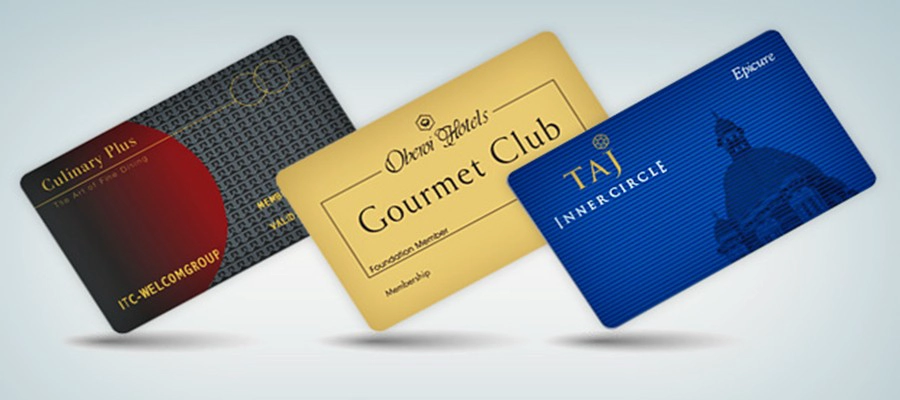
RFID products encompass a range of devices that use electromagnetic fields to automatically identify and track tags attached to objects. Unlike traditional barcodes, RFID tags do not require line-of-sight scanning, allowing for faster and more reliable data capture. A typical RFID system consists of three key components: tags (which store data), readers (that retrieve information from the tags), and software (for processing the data). These products can be passive, relying on the reader's energy to transmit data, or active, with their own power source for longer-range communication.
The applications of RFID products are vast and growing. In retail, companies like Walmart and Amazon use RFID tags for real-time inventory management, reducing stockouts and improving customer satisfaction. In logistics, RFID-enabled systems streamline supply chains by tracking shipments from warehouses to delivery points, minimizing errors and delays. The healthcare industry leverages RFID for asset tracking, such as monitoring medical equipment and ensuring patient safety through wristband tags. Additionally, RFID technology is integral to access control systems in corporate environments and contactless payment solutions, enhancing security and convenience.
One of the primary benefits of RFID products is their ability to boost operational efficiency. By automating data collection, businesses can cut labor costs, reduce human error, and gain real-time insights into their operations. For instance, a study by Grand View Research estimates that the global RFID market will reach $40.5 billion by 2027, driven by demand for smarter inventory solutions. However, challenges remain, including concerns over data privacy and the initial investment required for implementation. Experts like Dr. Emily Roberts, a technology analyst at TechInsights, caution that "while RFID offers immense potential, organizations must address cybersecurity risks to prevent unauthorized tracking."
Looking ahead, the future of RFID products appears promising, with advancements in Internet of Things (IoT) integration and miniaturization. Innovations such as biodegradable RFID tags and enhanced data encryption are on the horizon, aiming to make the technology more sustainable and secure. As industries continue to embrace digital transformation, RFID products are set to play a pivotal role in building smarter, more connected ecosystems.
In summary, RFID products represent a key enabler of modern efficiency, offering solutions that span from everyday retail to critical healthcare. By understanding their capabilities and limitations, businesses and consumers alike can harness this technology to drive progress in an increasingly automated world.