 English
 简体中文
简体中文 русский
 عربى
عربى français
 Español
 日本語
日本語 한국어
한국어 Italian
 Deutsche
 português
 Türk
Türk हिंदी
हिंदी Persian
 Polskie
 Tiếng Việt
 Indonesian
 Filipino
 Urdu
Urdu Bengali
 Український
 Swahili
 Kazakh
 Uzbek
Uzbek

Security and Vulnerability: The Methods and Risks of Blocking and Killing RFID Chips
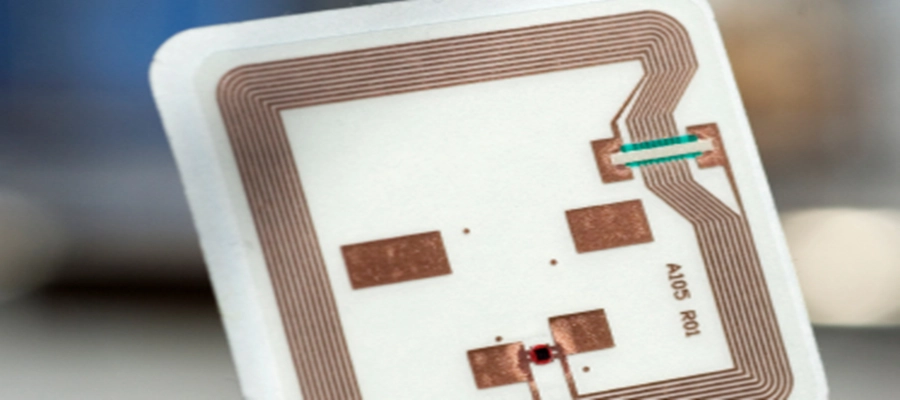
In an increasingly connected world, Radio-Frequency Identification (RFID) technology has become the silent, invisible engine powering everything from keycard access and contactless payments to inventory management and pet tracking. However, this pervasive convenience comes with a growing public concern over privacy and security, leading many to ask: how can these chips be neutralized?
The methods to interfere with RFID chips generally fall into two categories: blocking their signal or permanently destroying them—often referred to as "killing."
Blocking: The Protective Shield
The most common and non-destructive method to protect an RFID chip is by blocking its signal. This does not damage the chip but creates a barrier that prevents it from being read by unauthorized scanners.
The simplest solution is an RFID-blocking sleeve or wallet. These products are lined with a mesh of conductive material, typically metal, that creates a Faraday cage. This cage effectively traps radio waves, preventing any scanner from communicating with the chip inside. For do-it-yourself enthusiasts, even wrapping a card in aluminum foil can provide a similar, albeit less reliable, effect.
"For the average consumer worried about digital pickpocketing, a shielded wallet is the most practical and legal solution," says Dr. Evelyn Reed, a cybersecurity professor at King's College London. "It addresses the primary fear of having your credit card or passport details skimmed without your knowledge."
Killing: The Permanent Solution
The more extreme approach is to permanently disable, or "kill," an RFID chip. This is irreversible and renders the device useless.
The most direct method is physical destruction. Since RFID chips contain delicate microchips and antennas, crushing, cutting, or piercing them with a sharp tool will break the internal circuitry. A strong blow from a hammer or a precise cut with scissors across the chip (often visible as a small, flat square under the surface of a card) is usually sufficient.
Another method involves electromagnetic overload. While not feasible for most consumers, industrial-grade RFID zappers exist that deliver a powerful electromagnetic pulse (EMP), frying the chip's electronics. A more accessible, though risky and unpredictable, method is to expose the chip to a microwave oven. WARNING: This is extremely dangerous and not recommended, as it can damage the microwave and pose a fire hazard, especially if the RFID chip is embedded in a card with a metal strip or battery.
The Legal and Ethical Grey Area
While blocking an RFID signal for personal privacy is universally legal, the act of permanently killing a chip enters a complex legal and ethical territory.
Destroying a chip embedded in a product you own, like a clothing item from a retail store, is generally a matter of personal choice. However, killing a chip in a company-owned access card, a library book, or, most seriously, an official government document like a passport, can be illegal. Tampering with a passport, for instance, often constitutes a criminal offense.
"The technology to disable an RFID tag is readily available, but the legality of using it is context-dependent," explains Michael Thorne, a technology ethics lawyer. "You have the right to protect your privacy, but you do not have the right to destroy property you do not own or to circumvent legitimate security systems. The line between personal security and vandalism is very clear in the eyes of the law."
As RFID technology continues to evolve and embed itself deeper into the fabric of daily life, the debate between the convenience it offers and the privacy it potentially erodes is far from over. For now, consumers are advised to use non-destructive blocking methods for everyday protection and to consider the significant legal ramifications before attempting to "kill" any chip they do not unequivocally own.